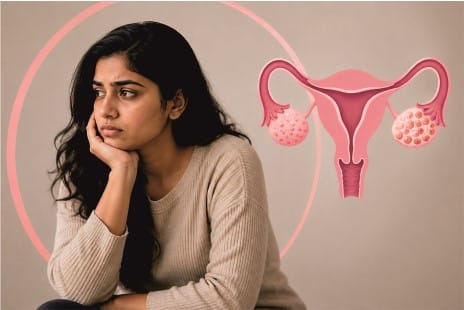
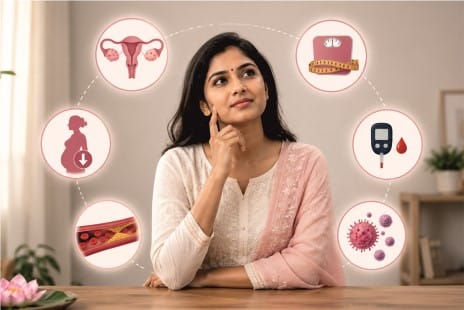
For many women with PCOS, questions about pregnancy can feel urgent and emotional. Sometimes these questions come soon after diagnosis. Sometimes they appear after months of trying to conceive without success.
Can pregnancy happen naturally? Will PCOS make it more difficult? What does the diagnosis actually mean for fertility?
For many women with PCOS, natural pregnancy is still possible. But understanding how PCOS affects ovulation can help explain why the journey may feel different or take longer for some women.
Why PCOS Can Affect Fertility
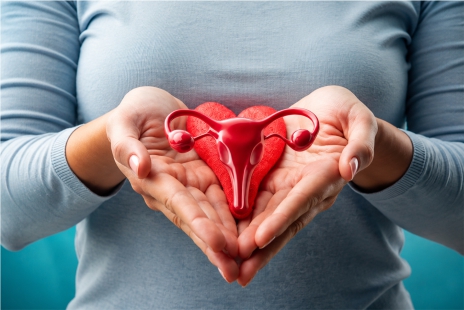
The connection between PCOS and fertility mainly comes down to ovulation. For pregnancy to happen, the ovary needs to release an egg regularly.
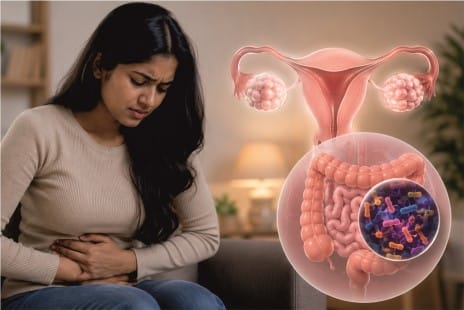
In PCOS, hormonal imbalance can interfere with this process. Ovulation may happen irregularly, less often, or sometimes not at all for certain periods of time.
This is why menstrual cycles in PCOS often become unpredictable.
When ovulation is inconsistent, it becomes more difficult to predict fertile windows, which can make conception feel uncertain from month to month.
Many women with PCOS are able to conceive naturally. For some, it may happen without major difficulty. For others, it may take more time for ovulation and cycles to become more regular.
PCOS affects every woman differently. Hormone levels, insulin resistance, lifestyle, body weight, stress, and overall health can all influence fertility patterns. There is no single timeline that applies to everyone.
One of the hardest parts of PCOS-related fertility challenges is unpredictability. Some women carefully track cycles that never follow a consistent pattern.
Others may not realise when ovulation is happening at all. This can feel emotionally exhausting over time.
It is important to remember that these challenges are linked to how PCOS affects hormonal and metabolic function — not to a lack of effort or discipline.
Understanding this often helps shift the experience away from self-blame and towards a clearer understanding of what the body needs.
The Role of Insulin Resistance
In many women with PCOS, insulin resistance plays a role in disrupting ovulation.
When insulin levels remain elevated, hormone balance can shift further, making regular ovulation harder to maintain.
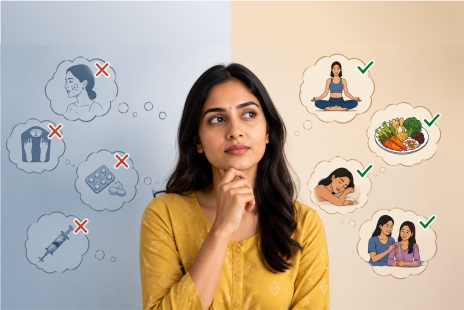
Supporting insulin sensitivity through balanced nutrition, movement, sleep, and sustainable lifestyle habits may help support more regular cycles over time. This process is gradual and can look different for each person.
When Additional Support May Help
While many women with PCOS conceive naturally, some may need additional medical support along the way.
This can include treatments that help stimulate ovulation or other fertility support options recommended by a healthcare provider.
Needing support does not mean pregnancy is out of reach. It simply means the body may need additional help with the ovulation process.
Every Journey Looks Different
PCOS can make conception feel less predictable, but it does not define fertility completely.
Many women with PCOS go on to have healthy pregnancies naturally or with support.
For some, the process may take longer than expected. For others, small changes in lifestyle and cycle regulation may make a meaningful difference over time.
Understanding how PCOS affects the body helps make the journey feel more informed, more manageable, and often less overwhelming.
Source:
NHS (National Health Service, UK) –
https://www.nhs.uk/conditions/polycystic-ovary-syndrome-pcos/