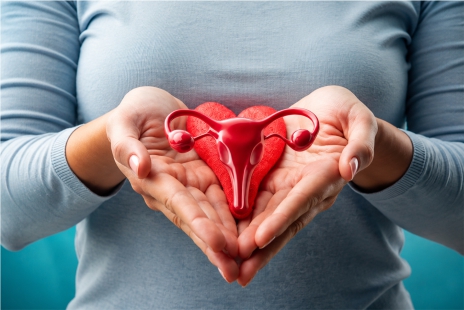
IKNOWPCOS: Addressing Women's Healthcare Needs.

For many women, PCOS doesnʼt arrive with a clear beginning.
It often starts quietly , a cycle that doesnʼt follow a pattern, acne that doesnʼt respond to usual treatments, weight changes that feel unexplained, or months of feeling tired without knowing why. Over time, these changes begin to stack up, and the question slowly forms: Is something wrong, or is this just how my body is?
Polycystic Ovary Syndrome, commonly known as PCOS, is one of the most common hormonal conditions affecting women today. Yet, for something so widespread, it remains poorly explained and often misunderstood.
What Is PCOS?
PCOS is a hormonal and metabolic condition that affects how a womanʼs ovaries function. It influences the balance of reproductive hormones, the way the body processes insulin, and how regularly ovulation occurs. Despite its name, PCOS is not only about cysts on the ovaries. Many women with PCOS never develop ovarian cysts, while others do. What connects most cases is a pattern of hormonal imbalance that affects multiple systems in the body.
PCOS does not look the same for everyone. For some women, it shows up as irregular periods. For others, it appears through skin or hair changes, weight fluctuations, difficulty conceiving, or emotional shifts. Often, it is a combination of several signs rather than a single symptom.
Why Does PCOS Happen?
There isnʼt one single cause of PCOS, but research shows that it usually develops due to a combination of factors.
One of the most common underlying contributors is insulin resistance. When the body does not respond efficiently to insulin, it produces more of it. Higher insulin levels can interfere with normal hormone balance, leading to increased androgen (male hormone) levels, which can disrupt ovulation and menstrual cycles. Genetics also play a role. PCOS tends to run in families, suggesting that some women may be more prone to developing it due to inherited traits.
Lifestyle factors such as diet, stress, sleep patterns, and physical activity donʼt cause PCOS on their own.
How PCOS Affects the Body
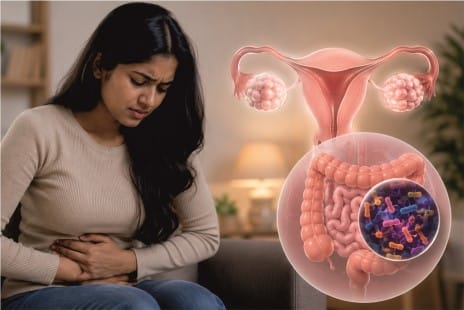
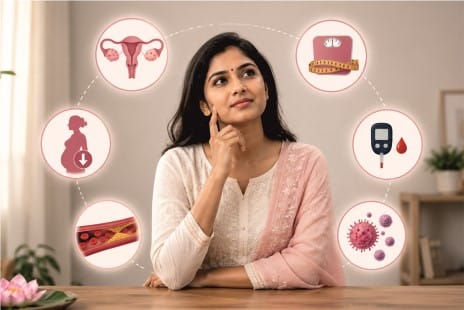
PCOS is often described as a reproductive condition, but its effects go far beyond the ovaries. It can influence:
- Menstrual cycles, causing irregular or missed periods
- Hormone levels, leading to acne, hair thinning, or excess hair growth
- Metabolism, affecting weight regulation and energy levels
- Blood sugar balance, increasing the risk of insulin resistance
- Mood and sleep, contributing to anxiety, low mood, or fatigue
- Fertility, by disrupting regular ovulation
Because these systems are interconnected, PCOS is best understood as a whole-body condition, not a single-organ problem.
Why PCOS Often Goes Undiagnosed
Many women live with PCOS for years without a diagnosis. Symptoms are often brushed off as stress, lifestyle issues, or “normalˮ cycle irregularities. In some cases, women only receive clarity when they begin trying to conceive or when symptoms start affecting daily life more noticeably. Another challenge is that PCOS is diagnosed based on patterns, not one definitive test. Doctors look at menstrual history, hormone levels, ultrasound findings, and metabolic indicators together. This means diagnosis can sometimes take time —especially when symptoms appear gradually.
Is PCOS a Lifelong Condition?
PCOS does not have a one-time cure, but it can be managed effectively. With the right combination of nutrition, daily routines, medical guidance, and consistent follow-up, many women see significant improvement in symptoms. Cycles can become more regular, energy levels can stabilise, and long-term health risks can be reduced. The key is understanding what is happening in your body and responding early, rather than waiting for symptoms to worsen.
Why Understanding PCOS Matters
When PCOS is misunderstood, women often move from one solution to another without a clear plan. This can lead to frustration, self-blame, and unnecessary anxiety. Understanding PCOS changes the experience. It allows women to:
- Recognise patterns instead of guessing
- Ask informed questions during medical consultations
- Choose routines that support long-term health
- Make decisions based on knowledge, not fear
PCOS education doesnʼt need to feel overwhelming or technical. When explained
clearly, it becomes a tool — not a burden.
Moving Forward With Clarity
If youʼve been noticing changes in your body and wondering whether they are connected, learning about PCOS is a meaningful first step. Early awareness, timely screening, and structured guidance can make a real difference in how manageable the condition feels over time.
Many women have walked this path before you — and for most, understanding what was happening brought a sense of relief and direction.
Facebook
Twitter
LinkedIn
WhatsApp
Popular Categories
Latest Post


The information provided on this platform is for awareness and educational purposes only.
It is not intended to replace professional medical advice, diagnosis, or treatment.