
IKNOWPCOS: Addressing Women's Healthcare Needs.

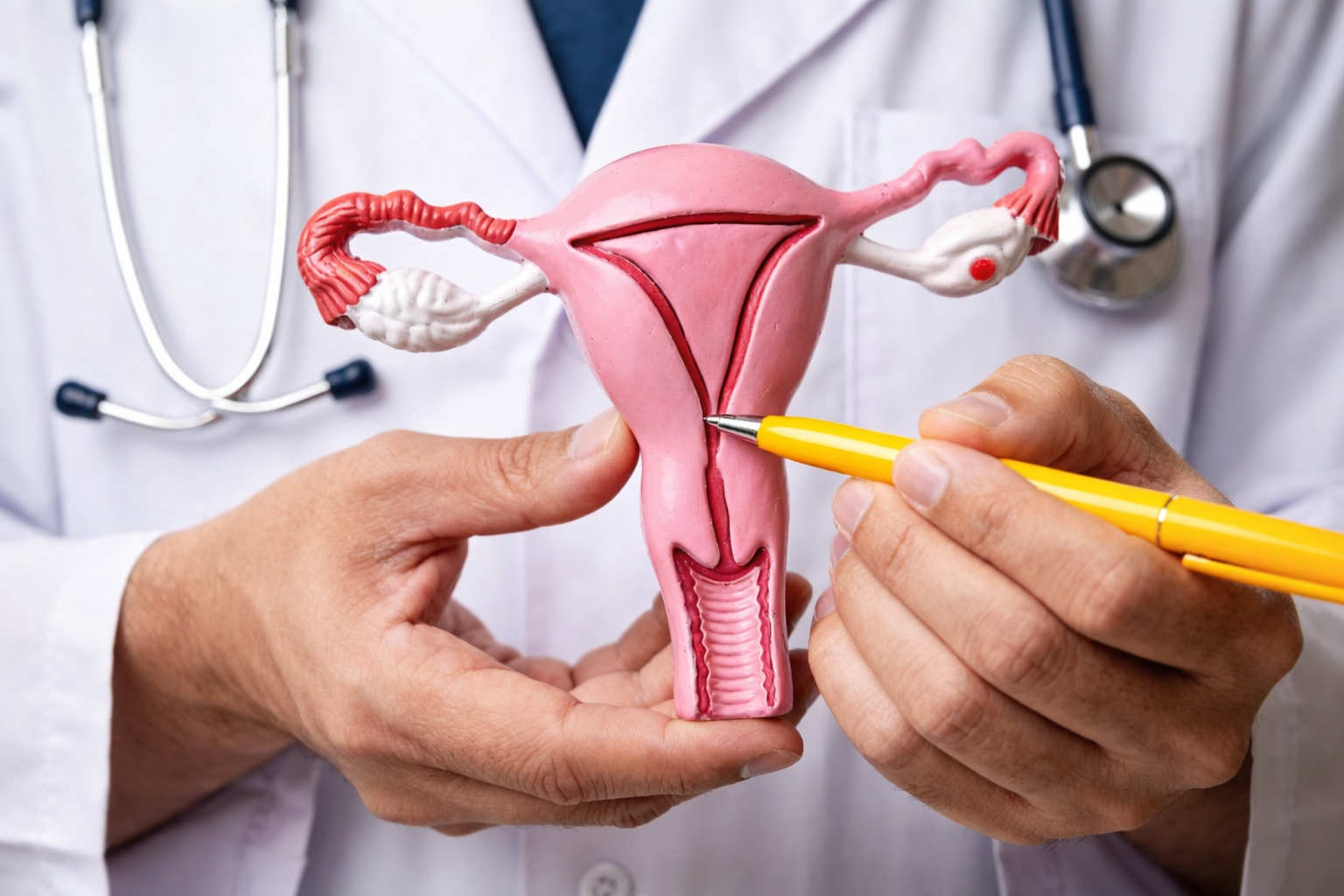
What are the Treatment Options for PCOS?
When you are first told you have PCOS, the next question usually comes quickly.
How is this treated?
It is natural to expect a single answer. A single medication. A defined course. A cure.
PCOS does not work that way.
There is no one treatment because PCOS does not present in a single way.
Some women struggle with irregular periods. Some with acne or excess hair growth.
Others experience weight changes or insulin resistance. Some have difficulty ovulating.
Many experiences are a combination.
Treatment is not about eliminating PCOS. It is about addressing the system that
is most affected right now.
What Treatment is Designed to Do
PCOS affects three main systems:
- Hormonal regulation
- Metabolic function (especially insulin response)
- Ovulation and reproductive rhythm
Treatment aims to stabilise one or more of these systems, depending on your
symptoms and goals.
For some women, the priority is cycle regulation. For others, it is intended to
improve ovulation. For others, it is managing acne or hair growth. For some,
it is reducing long-term metabolic risk.
The approach shifts with age and life stage.
When the Goal is Regulating Periods
Irregular or absent periods are common in PCOS because ovulation does not
happen consistently. When pregnancy is not currently desired, combined oral
contraceptive pills are often prescribed.
These medications:
- Regulate bleeding patterns
- Lower androgen levels
- Improve acne over time
- Protect the uterine lining from prolonged unopposed estrogen exposure
They manage symptoms while being used. They do not permanently reset the
condition. This approach focuses on hormonal rhythm rather than metabolic
correction.
When Insulin Resistance is Present
Many—though not all—women with PCOS have insulin resistance. Insulin
resistance can contribute to:
- Irregular ovulation
- Weight gain
- Elevated androgen levels
In these cases, treatment may focus on improving insulin sensitivity.
This can include:
- Nutritional adjustments that stabilise blood sugar
- Regular, moderate physical activity
- Weight reduction when medically appropriate
- Medications such as metformin in selected cases
Metformin is primarily a diabetes medication. In PCOS, it may help improve
ovulation and metabolic markers in women who have insulin resistance or
prediabetes.
Not every woman with PCOS requires it. It is used based on metabolic evaluation.
When the Concern is Acne or Excess Hair Growth
Elevated androgen levels can affect the skin and hair.
Management may involve:
- Hormonal contraceptives
- Anti-androgen medications in certain cases
- Dermatologic treatments
These approaches reduce the effect of androgens on the skin. They do not
eliminate the underlying hormonal pattern, but they can significantly reduce
symptoms over time.
When Pregnancy is Desired
PCOS does not automatically mean infertility, but ovulation may not occur
regularly. This indicates that ovulation may not occur regularly.
When pregnancy is desired, treatment focuses on stimulating ovulation.
A clinician may prescribe first-line medications such as letrozole
or clomiphene citrate to promote ovulation.
If these are not effective, further reproductive support may be considered.
The treatment goal is specific: to restore ovulatory cycles.
The Role of Lifestyle Support
Lifestyle support is often discussed early in PCOS management.
This is not because PCOS is caused by lifestyle. It is because insulin
resistance and metabolic instability are common contributors.
Stabilising sleep, movement, nutrition, and stress may help improve insulin
response and, in some women, help restore more regular ovulation.
Even modest metabolic improvement can shift hormone balance.
The emphasis is on regulation, not restriction.
Long-Term Monitoring
PCOS is a chronic condition. Over time, it may increase the risk for:
- Type 2 diabetes
- High blood pressure
- Lipid abnormalities
- Endometrial overgrowth if periods remain absent
Regular monitoring allows these risks to be identified early. Treatment plans
are not static. They evolve with your body and your goals.
Understanding the Bigger Picture
There is no single best treatment for PCOS. There is only the
treatment that aligns with:
- Your symptoms
- Your metabolic profile
- Your reproductive goals
- Your stage of life
Management is individualised.
PCOS does not disappear. But its effects can be reduced.
If you are feeling uncertain about what to choose, the first step is not
selecting a medication. It is identifying which system needs support first.
From there, treatment decisions become clearer.
Sources:
Polycystic ovary syndrome (PCOS) – Diagnosis and treatment – Mayo Clinic
https://www.nhs.uk/conditions/polycystic-ovary-syndrome-pcos/treatment/
https://www.nichd.nih.gov/health/topics/pcos/conditioninfo/treatments
https://my.clevelandclinic.org/health/diseases/8316-polycystic-ovary-syndrom
e-pcos
Facebook
Twitter
LinkedIn
WhatsApp
Popular Categories
Latest Post




The information provided on this platform is for awareness and educational purposes only.
It is not intended to replace professional medical advice, diagnosis, or treatment.