

Understanding PCOS
Polycystic Ovary Syndrome (PCOS) is a common hormonal and metabolic condition that affects women in different ways.
Some women experience irregular periods, while others notice acne, weight changes, tiredness, or mood swings. Many women discover they have PCOS only when they face difficulty in getting pregnant.
PCOS is not the same for everyone — understanding your body is the first step toward better control and long-term health.
Symptoms
PCOS symptoms can vary from person to person. Some women have many symptoms, while others may have only one or two.

Missed periods
Long gaps between periods
Unpredictable or irregular bleeding
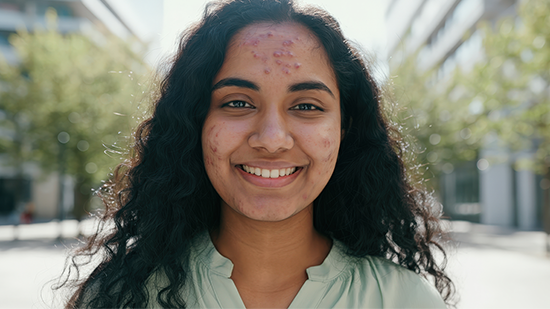
Acne or oily skin
Excess facial or body hair growth
Thinning hair or increased hair fall from the scalp

Weight gain or difficulty losing weight
Dark patches on the neck, underarms, or inner thighs (called acanthosis nigricans)
Sugar cravings, low energy, or fatigue due to insulin imbalance

Difficulty in conceiving
Irregular or absent ovulation
Lower egg quality in some women

Mood swings, anxiety, or low mood
Poor sleep or feeling tired even after rest
Recognizing these symptoms early helps with timely diagnosis and better long-term management of PCOS.
What Causes PCOS?
PCOS does not have a single cause. It usually develops due to a combination of factors.
1. Insulin Resistance – A Key Factor
Many women with PCOS have insulin resistance, which means the body does not use insulin effectively. This leads to higher insulin levels, which can:
- Increase male hormones (androgens)
- Disrupt ovulation
- Worsen symptoms like weight gain and acne
2. Hormonal Imbalance
PCOS often involves higher levels of androgens (“male hormones”) and imbalance between LH and FSH hormones.
This affects ovulation and leads to irregular periods.
3. Genetics
If close family members have PCOS, diabetes, or metabolic conditions, the risk of developing PCOS may be higher.
4. Lifestyle and Environmental Factors
Stress, irregular sleep, unhealthy food choices, and lack of physical activity can worsen PCOS symptoms, though they are not the root cause.
5. Gut and Metabolic Health
Research suggests that gut health imbalance and long-term inflammation may also play a role in PCOS.
PCOS affects every woman differently. Identifying your personal triggers helps in choosing the right treatment approach.


Managing PCOS in daily life
Movement improves insulin sensitivity and hormone balance. You don’t need the gym every day! 30–45 minutes of walking, yoga, swimming, or light strength training. Consistency matters more than intensity
Poor sleep worsens weight gain, cravings, and cycles.
.
Hormones reset during sleep. Sleep 7–8 hours with fixed sleep and wake time. Try to avoid screens 1 hour before bed.
Stress = cortisol = worse PCOS. Lower stress results in better periods and ovulation. 10 minutes daily of deep breathing, prayer, journaling, or meditation could help manage stress.
Helps acne, hair fall, weight gain, and irregular cycles.Following a structured PCOS diet can help improve insulin function and reduce symptoms.
Vitamin D is often low in PCOS.Aim for 10–20 minutes of morning sunlight. Even sitting near a window or walking outside helps! This can regulate circadian rhythm, and improve vitamin D levels, hence supporting mood and hormonal balance
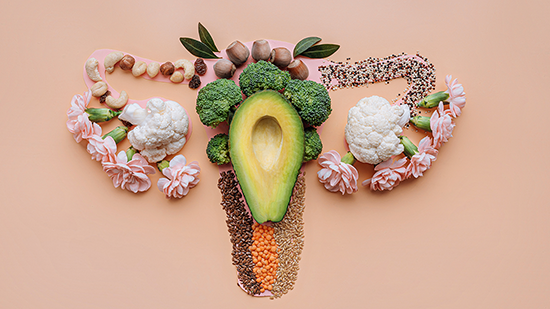
Diet and Nutrition
Eating Patterns That Support Hormonal Balance
A PCOS-friendly diet focuses on keeping blood sugar levels stable and reducing inflammation.Recommended foods
- Whole grains and high-fiber carbohydrates
- Lean proteins (eggs, chicken, paneer, legumes)
- Healthy fats (nuts, seeds, olive oil)
- Fruits and vegetables with a low glycemic load
Foods to limit
- Sugary foods and sweets
- Refined carbohydrates (white bread, bakery items)
- Highly processed and packaged snacks
Nutritional Supplements and Medications
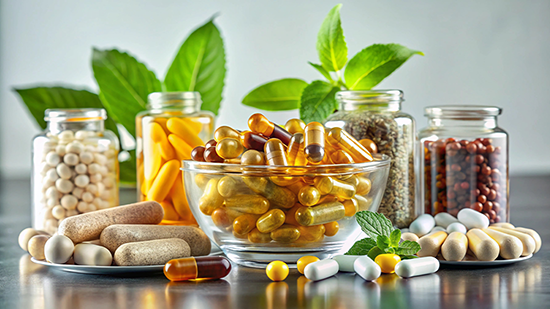
Supplements Commonly Used in PCOS
(Always under medical guidance)
- Inositol – supports hormonal balance and insulin sensitivity
- Lactalbumin – improves inositol absorption, especially in women who are inositol-resistant
- N-Acetylcysteine (NAC) – supports metabolic health, insulin resistance, and fertility
- Melatonin – helps with sleep, oxidative balance, and egg quality
- Vitamin D3, Vitamin B12, folate, chromium, and selenium – based on individual needs
Doctors may prescribe
- Insulin-sensitizing medicines
- Hormonal treatments
- Ovulation-inducing medications
Treatment depends on symptoms, age, and fertility goals.
A combined approach of nutrition, lifestyle changes, supplements, and medical treatment usually gives the best results.
PCOS Is Manageable with the Right Understanding
PCOS may feel overwhelming at first, but with proper knowledge and a structured plan, symptoms can be controlled effectively.