PMOS (Commonly Known as PCOS) and Sleep: Why Quality Sleep Matters for Hormonal and Metabolic Health

Sleep is often overlooked in PMOS management, despite its significant impact on hormones, metabolism, and overall health. Poor sleep may worsen many of the symptoms associated with PMOS.
Why Sleep Matters
Sleep plays a key role in regulating:
• Insulin sensitivity
• Appetite hormones
• Stress hormones
• Energy balance
How Poor Sleep Can Affect PMOS
1. Increased Insulin Resistance
Lack of sleep can reduce insulin sensitivity and make blood sugar control more difficult.
2. Increased Hunger and Cravings
Poor sleep may increase hunger hormones and encourage overeating.
3. Weight Gain
Chronic sleep deprivation is associated with weight gain and metabolic dysfunction.
4. Hormonal Imbalance
Sleep disturbances can affect reproductive hormone regulation.
Improving Sleep Quality
• Follow a consistent sleep schedule
• Avoid screens before bedtime
• Limit caffeine late in the day
• Exercise regularly
• Create a comfortable sleep environment
Conclusion
Quality sleep is a simple but powerful tool for supporting hormonal balance and metabolic health in women with PMOS.
For more PMOS awareness content, visit iknowpcos.
PMOS (Commonly Known as PCOS) and Gut Health: What Research Suggests
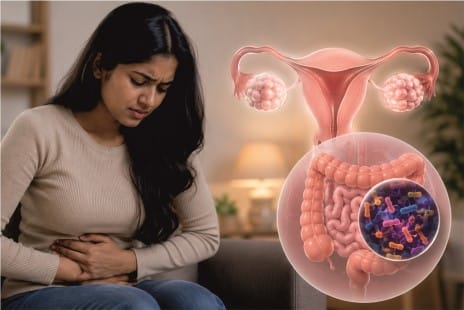
PMOS (commonly known as PCOS) is not just a hormonal disorder—it is increasingly being linked to gut health. Recent research suggests that the gut microbiome may play an important role in inflammation, insulin resistance, and hormone regulation.
The Gut–Hormone Connection
The gut is home to trillions of bacteria that influence digestion, immunity, and metabolism. Studies have found that women with PMOS may have alterations in their gut microbiota, a condition known as dysbiosis.
This imbalance may contribute to:
• Increased androgen levels
• Insulin resistance
• Chronic inflammation
How Gut Health Impacts PMOS Symptoms
1. Insulin Resistance
Poor gut diversity may impair glucose metabolism and worsen insulin sensitivity.
2. Inflammation
An unhealthy gut may promote chronic low-grade inflammation.
3. Hormone Regulation
Gut bacteria help regulate hormone metabolism and elimination.
Key Research Insights
Emerging evidence suggests that improving gut health may support metabolic and hormonal balance. Researchers are exploring the role of probiotics, prebiotics, and dietary interventions in PMOS management.
How to Support Gut Health
• Increase fiber intake from fruits, vegetables, and whole grains
• Include probiotic foods such as curd and fermented foods
• Reduce ultra-processed foods and added sugars
• Stay hydrated
• Manage stress effectively
Conclusion
While research is still evolving, gut health appears to be an important component of PMOS management and overall metabolic health.
For more PMOS awareness content, visit iknowpcos.